
Wine has been a symbol of luxury and sophistication for centuries. The most expensive wines in the world are highly sought after by collectors and enthusiasts alike. These wines are often produced in limited quantities and are made from the finest grapes grown in the most prestigious vineyards.
Domaine de la Romanee-Conti
One of the most expensive wines in the world is the Domaine de la Romanee-Conti Grand Cru. A rare wine which is produced in the Burgundy region of France. This wine is made from Pinot Noir grapes and is known for its complex flavor profile and long aging potential. A single bottle of Romanee-Conti Grand Cru can sell for over $20,000 at auction.
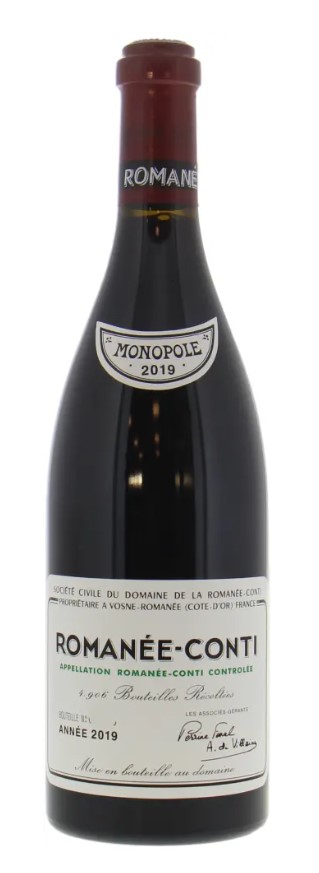
The most expensive bottle of wine ever sold is the 1945 Domaine de la Romanée-Conti, Romanée-Conti Grand Cru. It sold at Sotheby’s in 2018 for a grand total of $558,000.
There are several factors which have led to this wine becoming legendary enough to factor such a huge price tag. Domaine de la Romanée-Conti is a small estate in Burgundy, world renowned for the quality of wine it produces.
The 1945 is a particularly fabled year. Hot weather allowed the grapes to ferment, creating a concentrated wine. Then, the terrible frosts came. With foul weather preventing production, there were only ever 600 bottlings.
Very few of these are still around today, and wine collectors are more than curious. Those who’ve tried it have described the taste using every superlative you can imagine. Deep, complex, and exotic seems to sum it up.
Screaming Eagle Cabernet Sauvignon
The second most expensive bottle of wine ever sold is the 1992 Screaming Eagle Cabernet Sauvignon. However, it does come with an asterisk.
While the small production of high quality wines from Screaming Eagle have led them to be much desired, this one had a boost. The massive $500,000 it auctioned for was at a charity event in 2000.
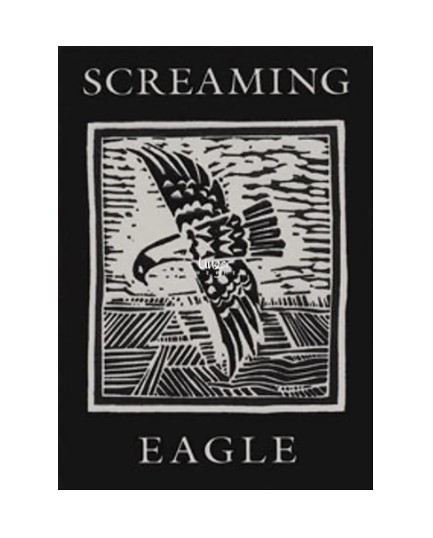
While undoubtedly this is a fantastic wine, the price was almost certainly boosted by charitable leanings. The average bottle of Screaming Eagle Cabernet Sauvignon does still sell for several thousand dollars.
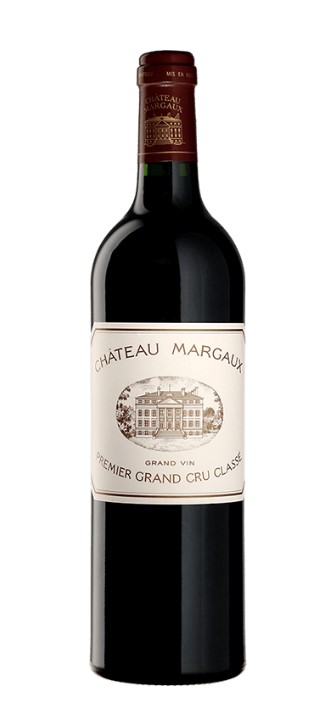
Chateau Margaux
Another highly sought-after wine is the Chateau Margaux, which is produced in the Bordeaux region of France. This wine is made from Cabernet Sauvignon, Merlot, and Petit Verdot grapes and is known for its rich flavor and aroma. A bottle of Chateau Margaux can sell for over $10,000 at auction, making it one of the most expensive wines in the world.
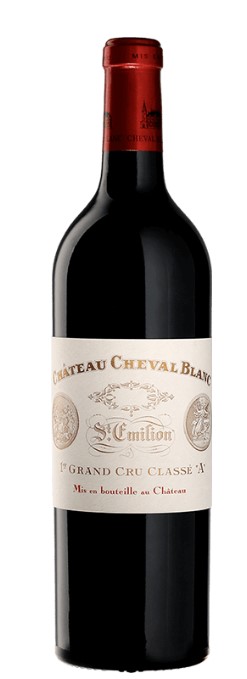
Chateau Cheval Blanc St. Emilion
A bottle of this Saint Emilion of this 1947 vintage wine was sold for 192000 GBP. Normal vintage wine from the Chateau Cheval Blanc can be found below 1000 USD but you need to wait until you can drink them.
The terrible conditions that led to the creation of the 1947 Cheval Blanc is one of the few reasons behind the mystique of this wine. Terrible weather left crops ruined, fermentation halted, and wine cellars badly damaged.
The result? Somehow, a technically flawed wine with a taste like no other. Due to the bizarre circumstances leading to its creation, this is a wine with a flavor that will never be replicated.
Mouton Rothschild
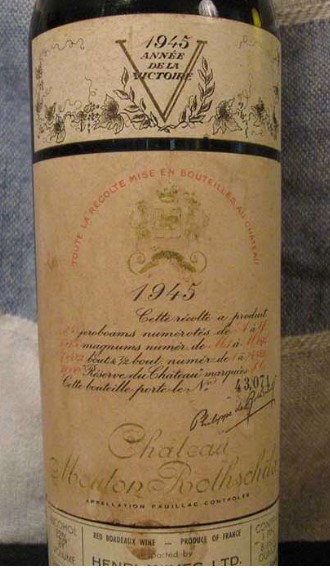
Try a bottle of 1945 Jeroboam of Château Mouton-Rothschild, it could set you back $310,700. At least, that’s what it sold at auction for.
Marked with a distinctive ‘V’, to signal the allied victory in the Second World War, this is considered one of the greatest wines produced in the last century.
Domaine Leroy Musigny Grand Cru
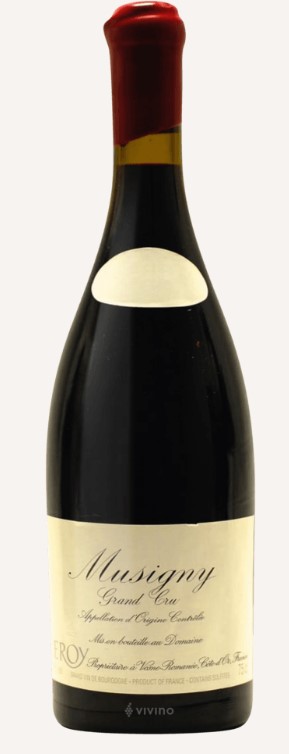
The Domaine Leroy Musigny is one of the most acclaimed wineries by wine critics in Burgundy. Their expensive bottles do not reach levels as the above mentioned single bottles but they achieve the highest retail prices for their new wines. Their Pinot Noir wines reach sales prices from 40000 to 100000 USD per bottle.
The Most Expensive Wine in the World
Wine lovers and collectors around the world are constantly searching for the most exquisite and rare wines. Some of these wines come with a hefty price tag, but for those who can afford it, they are worth every penny. In this section, we will explore the factors that affect the price of wine and the top 3 most expensive wines in the world.
Factors that Affect the Price of Wine
Several factors influence the price of wine, including:
- Quality of grapes
- Location and climate of vineyards
- Age of the wine
- Rarity of the wine
- Brand and reputation of the winery
- Production process and techniques
Wines that are produced in small quantities, have a long aging process, and come from prestigious wineries are typically more expensive.
How to Identify a High-Quality Wine
Identifying a high-quality wine can be a daunting task for many wine enthusiasts. However, there are several factors that can help you determine the quality of a wine. This section will discuss the importance of terroir, the role of winemakers, the impact of vintage, and the significance of grape varieties in identifying a high-quality wine.
The Importance of Terroir
Terroir refers to the environmental factors that influence the growth and development of grapes, including soil, climate, and topography. These factors can significantly impact the flavor, aroma, and complexity of the wine. A high-quality wine is typically produced from grapes grown in a specific terroir that is well-suited for the grape variety.
The Role of Winemakers
The winemaker plays a crucial role in determining the quality of a wine. A skilled winemaker can use various techniques to enhance the flavor and aroma of the wine, such as oak aging, malolactic fermentation, and blending. Additionally, a winemaker who is committed to producing high-quality wine will carefully monitor the entire winemaking process, from grape selection to bottling.
The Impact of Vintage
The vintage of a wine refers to the year in which the grapes were harvested. The weather conditions during the growing season can significantly impact the quality of the grapes and, ultimately, the quality of the wine. In general, a high-quality wine is produced from grapes harvested in a good vintage year. However, there are exceptions, and some winemakers can produce exceptional wines even in challenging vintage years.
The Significance of Grape Varieties
The grape variety used to produce a wine can also impact its quality. Some grape varieties are more suited to certain terroirs than others, and some are more challenging to grow and produce high-quality wine. Additionally, the winemaker’s skill in working with a particular grape variety can also impact the wine’s quality.
Overall, identifying a high-quality wine requires an understanding of the factors that impact its flavor, aroma, and complexity. By considering the terroir, the winemaker’s skill, the vintage, and the grape variety, wine enthusiasts can make informed decisions when selecting a wine.
Investing in Wine
Why Invest in Wine?
Wine investment is becoming increasingly popular as more people recognize the potential for high returns. Wine has a unique combination of scarcity, prestige, and longevity that makes it an attractive asset for investors.
One of the main reasons to invest in wine is its historical track record of strong returns. According to the Liv-ex Fine Wine 100 Index, fine wine has outperformed many other asset classes over the past decade, including gold and the S&P 500.
Wine is also a tangible asset that can be enjoyed while it appreciates in value. Unlike stocks or bonds, wine is a physical product that can be stored, displayed, and consumed.
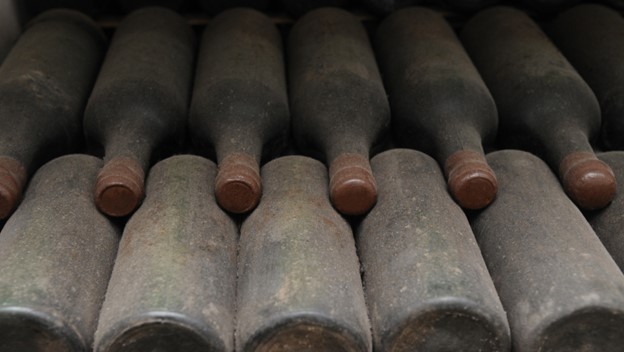
Factors to Consider When Investing in Wine
Investing in wine requires a certain level of expertise and knowledge. Here are some factors to consider:
- Provenance: The wine’s history and origin can greatly affect its value. Wines with a clear, documented provenance are generally more valuable than those with a questionable history.
- Condition: The condition of the wine is crucial to its value. Wines that have been stored properly in a temperature-controlled environment are generally more valuable than those that have been exposed to heat or light.
- Rarity: Wines that are rare or produced in limited quantities are generally more valuable than those that are widely available.
- Vintage: The vintage of the wine can greatly affect its value. Wines from exceptional vintages are generally more valuable than those from average or poor vintages.
The Risks of Investing in Wine
While wine investment can be lucrative, it also comes with risks. Here are some potential risks to consider:
- Lack of liquidity: Wine is not a highly liquid asset, meaning it can be difficult to sell quickly if needed.
- Counterfeit wine: The wine market is known for counterfeit bottles, which can greatly affect the value of an investment.
- Market fluctuations: Like any investment, the wine market can experience fluctuations in value that can affect the overall return on investment.
Conclusion
After researching and analyzing the most expensive wines in the world, it is clear that the wine industry has a vast range of prices. While some wines are priced in the hundreds of dollars, others can reach the millions.
One commonality between the most expensive wines is that they are all produced in small quantities, making them rare and highly sought after by collectors and wine enthusiasts. These wines are often made with the highest quality grapes and aged in the finest barrels, resulting in a unique and exquisite taste.
It is important to note that while the prices of these wines may seem exorbitant, they are a reflection of the wine’s rarity, quality, and the passion and hard work that goes into producing them. For those who have the means and appreciation for fine wine, these bottles are a true investment and a symbol of luxury.